
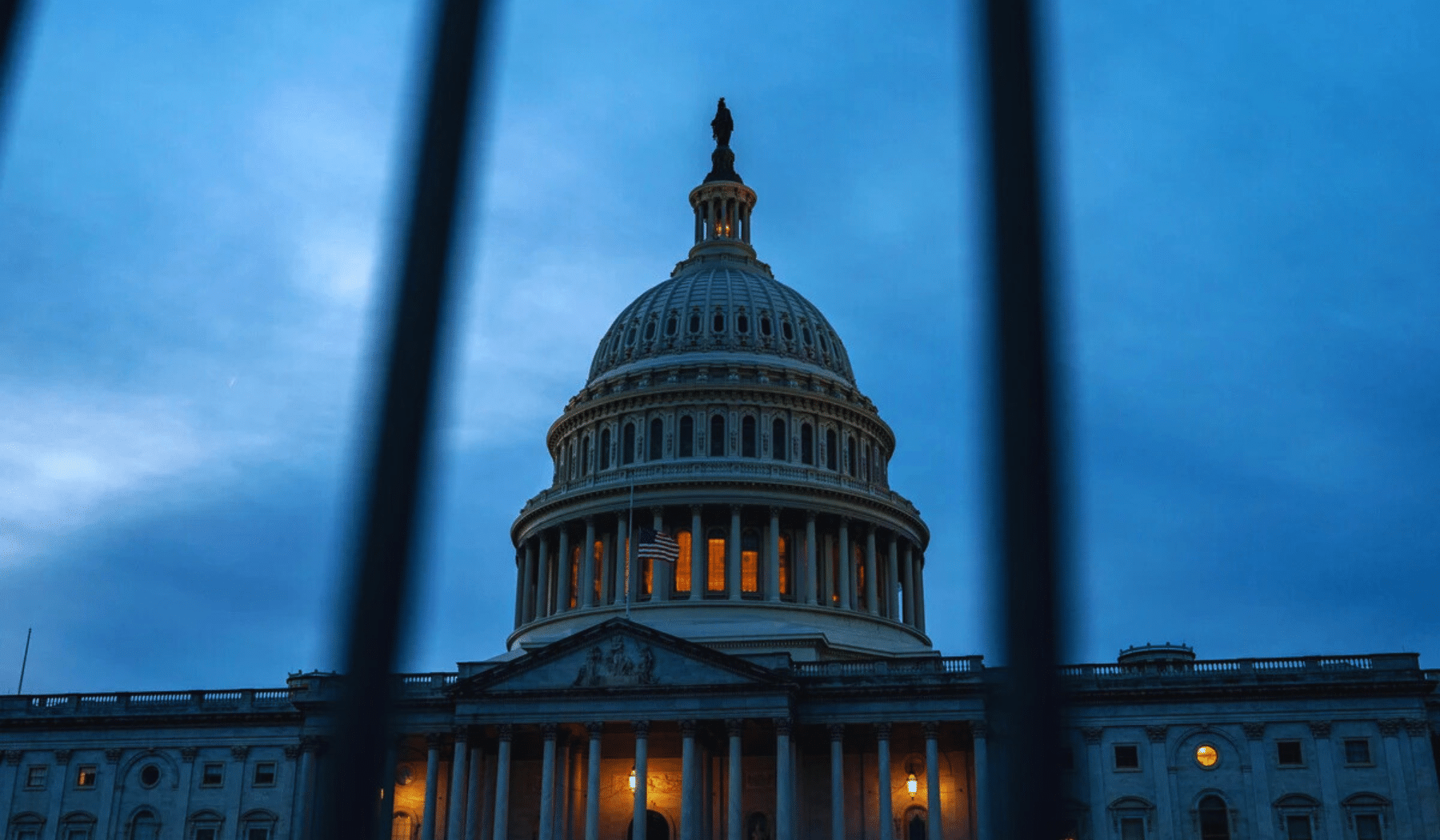
The Senate is a step closer to ending shutdown as impacts to air travel and SNAP benefits continue
Washington, DC – After 41 days of uncertainty, the US Senate has taken a key step toward resolving the longest government shutdown in history. Lawmakers passed a bipartisan deal on November 10, 2025, that would provide short-term funding through January 30, 2026. This move comes as millions of Americans face ongoing problems with air travel and food benefits.
The shutdown, triggered by disputes over federal spending, has left about 800,000 federal employees without pay. The new Senate bill promises back pay for these workers once operations resume. It also secures full funding for the Supplemental Nutrition Assistance Program (SNAP), which supports 42 million low-income families with food stamps. Without this, many households have seen reduced or delayed benefits, straining budgets during the holiday season.
Air travel has been hit hard too. Shortages of air traffic controllers and other staff have led to widespread flight cuts and delays. Major airlines report thousands of canceled flights, leaving passengers stranded at airports across the country. Experts warn that safety could be at risk if the issues drag on.
The legislation now heads to the House of Representatives for a vote. House Speaker Mike Johnson urged quick action, saying, “We must end this chaos for working families and travelers.” Democrats and Republicans worked together on the compromise, avoiding deeper cuts to essential services.
A recent court ruling added some good news for SNAP users. A federal judge blocked efforts to withhold billions in food aid, ensuring states can continue issuing benefits at full levels for now. Still, families worry about long-term stability.
This shutdown highlights deep divides in Congress over budget priorities. As talks continue, the focus remains on minimizing harm to everyday Americans. If the House approves the deal soon, normal government functions could restart within days, bringing relief to airports, grocery lines, and federal offices nationwide.