Beaming Solar Power from Space: The Orbital Energy Revolution
Scientists and companies are turning the dream of harvesting sunlight in orbit into reality, promising clean, endless energy beamed back to Earth. But can this bold idea overcome its hurdles to power our future?
Solar power has changed how we think about clean energy on Earth. Now, experts are looking to the stars for even bigger solutions. The idea of space-based solar power—collecting sunlight in orbit and sending it back as beams—has been around for decades. Recent advances in rockets, robots, and lasers are making it closer to real life.
The concept started in science fiction. In 1941, writer Isaac Asimov imagined robots using space solar on a station. By the 1970s, NASA studied it seriously but found it too costly and hard to build. Things shifted in the 1990s when engineer John Mankins showed better solar cells and tech could cut costs from trillions to hundreds of billions of dollars. Today, cheaper SpaceX rockets and smart satellites have sparked a wave of projects worldwide.
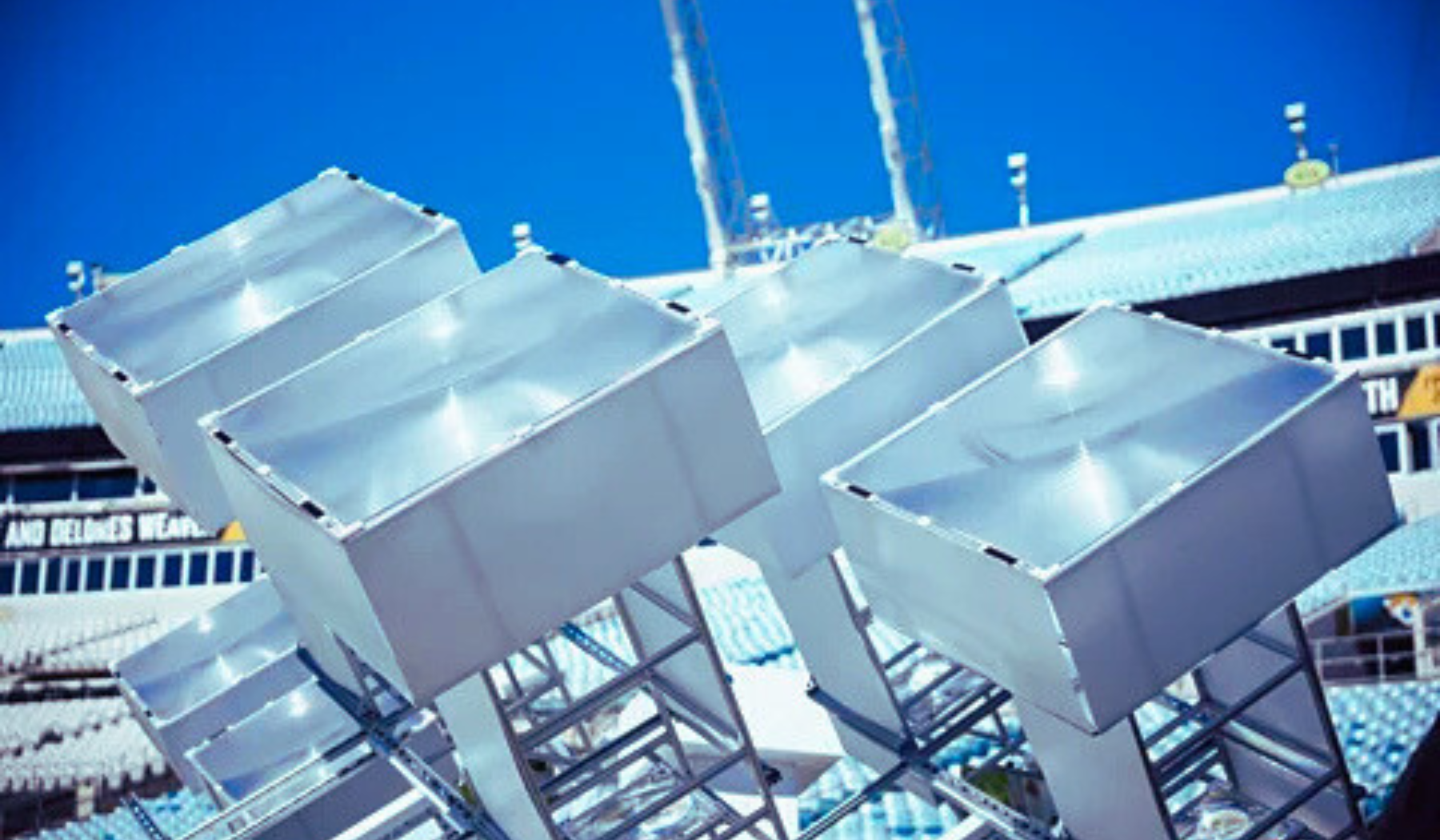
Several teams are testing the tech right now. In the US, Star Catcher lit up a football stadium in Florida this year, beaming 100 watts of focused sunlight over 100 meters. The UK’s Space Solar got government money to launch test satellites soon—one to send radio waves to the ground, another to build parts in space. They dream of a giant 1.8-kilometer panel in orbit that could power 700,000 homes. China tested a microwave system that sent over 2,000 watts across 55 meters. Europe’s space agency is weighing a big study, while startups like Aetherflux plan laser beams from satellites by 2026. The US military even funds records in power beaming.
This tech shines brighter than ground panels. In space, sunlight hits nonstop without clouds or night blocking it. Orbit beats Earth’s air, which wastes up to 55% of rays. One setup could meet 80% of Europe’s green energy by 2050 or 20% worldwide. It could zap power to remote spots, disaster zones, or even moon bases—anytime, anywhere. Costs might drop electricity prices to pennies per unit.
But challenges loom large. Building huge satellite fleets means thousands of rocket trips, risking space junk and crashes. Beams must stay safe for planes and people, using weak lasers or microwaves. It’s pricier than Earth solar—up to 80 times more now—and laws like the 1967 Space Treaty could spark fights over orbit space. Experts say we need global teamwork to make it work without harm.
As tests ramp up, space solar could transform energy. It’s not just a dream anymore—it’s a race to beam the sun’s power home.
Read More News: Virgin Cleared to Challenge Eurostar on Channel Tunnel Route