
NASA’s EscaPADE Mission Begins Historic Trip to Study Mars’ Lost Atmosphere
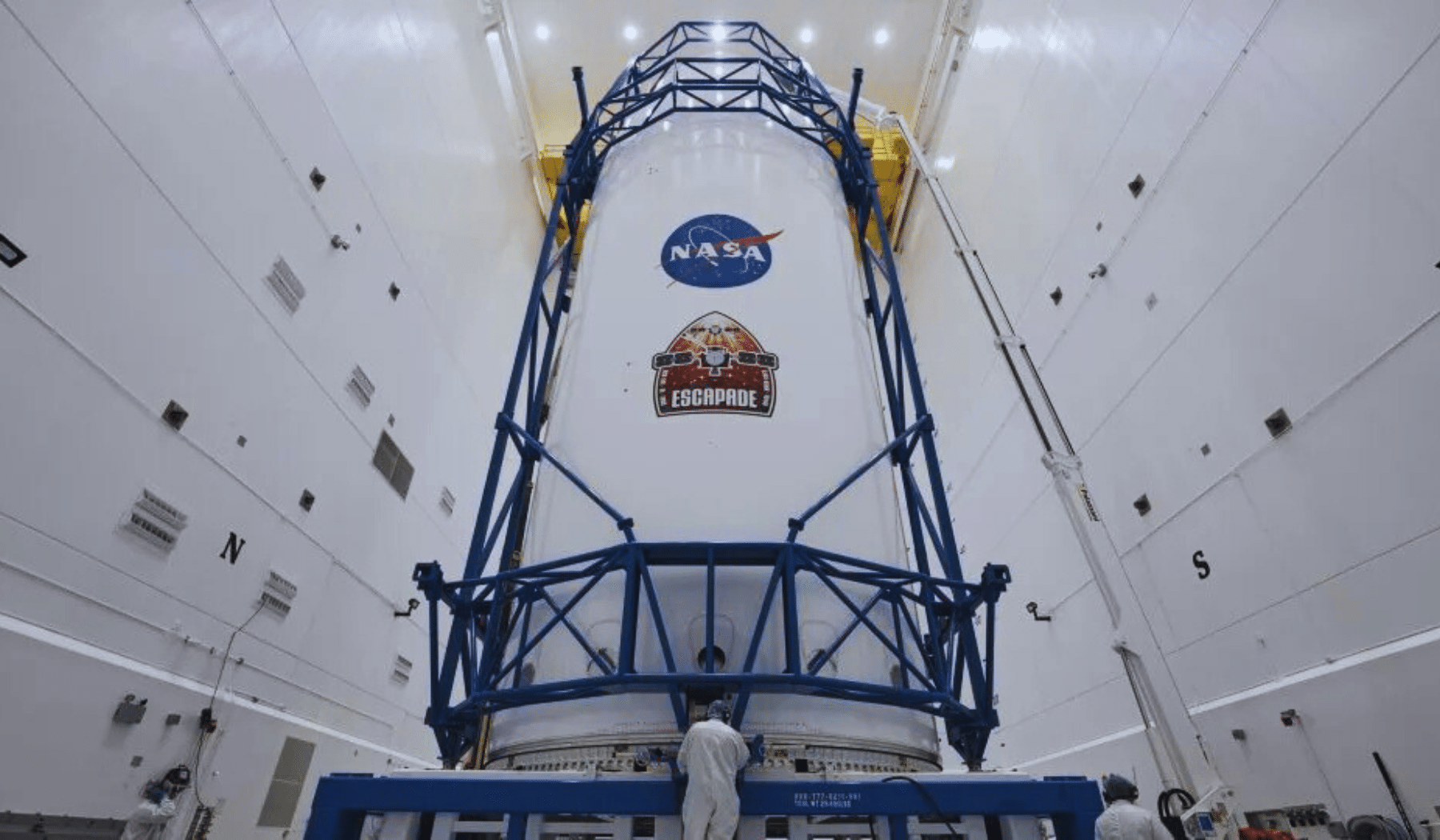
NASA is preparing for a groundbreaking launch that will send two small spacecraft on a long, curving path to Mars. This mission, called EscaPADE, aims to uncover why the red planet lost most of its air long ago. The twin probes, built by scientists at the University of California, Berkeley, will help us understand how Mars changed from a world that might have had water and life to the dry place it is today.
The launch is set for as early as 2:45 p.m. ET on Sunday from Cape Canaveral Space Force Station in Florida. The spacecraft will ride atop Blue Origin’s New Glenn rocket, which is making its second flight and carrying important cargo for the first time. This low-cost project, under $100 million, is part of NASA’s SIMPLEx program. It focuses on affordable ways to explore other planets with small, smart satellites—much cheaper than the usual $300 million to $600 million for Mars orbiters.
What makes this trip special is the path it will take. Normally, spacecraft head straight to Mars during a short window every two years. But delays pushed this mission past that chance in 2024. Instead, the probes will follow a “launch-and-loiter” plan. After takeoff, they will travel to a spot called Lagrange Point 2, about 1.5 million kilometers away from Earth. There, they will circle in a loop for over a year, waiting for the next chance to go to Mars in late 2026.
In November 2026, the spacecraft will swing back past Earth to pick up speed and aim for Mars. They should arrive in September 2027 and spend a year orbiting the planet. During that time, they will measure how solar wind and other forces strip away Mars’ thin atmosphere. This indirect route is a first for NASA and could open doors for more flexible missions in the future. However, it adds challenges, like extra wear on the spacecraft from spending more time in space.
Experts say this approach shows how to make space travel more adaptable. By testing new paths, NASA can plan better for upcoming trips, including bringing back Mars rocks and even sending people there someday. As the countdown begins, this mission highlights human curiosity about our solar system’s neighbor and the secrets it still holds.
Read More News>> SpaceX Starship Poised for Humanity’s First Lasting Move Off Earth