Why MLB’s Push for a Salary Cap After Dodgers’ Win Could Backfire on Baseball
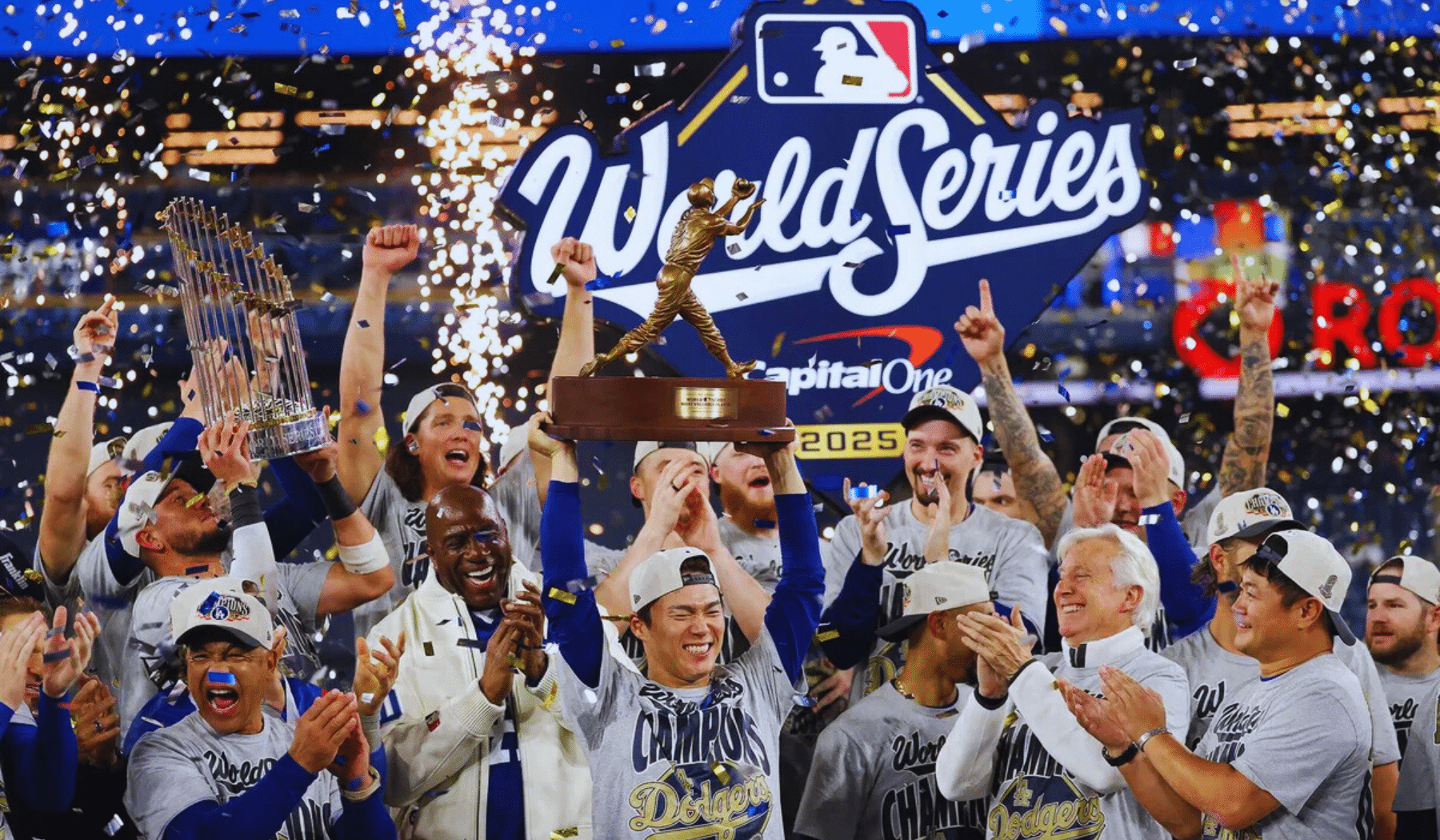
The Los Angeles Dodgers just clinched the World Series with a thrilling victory, marking their second title in five years. But as celebrations fade, a heated debate is brewing in Major League Baseball (MLB). Team owners are pushing harder for a salary cap—a limit on how much teams can spend on players. This idea gained steam after the Dodgers’ massive spending, with a payroll topping $394 million, including big deals for stars like Shohei Ohtani. Yet, experts and fans argue that such a cap might do more harm than good to the sport.
At its core, a salary cap aims to level the playing field. Big-market teams like the Dodgers, backed by huge TV deals and fan bases in Los Angeles, can afford top talent. In contrast, small-market clubs, such as the Milwaukee Brewers or Cleveland Guardians, scrape by on budgets under $100 million. The Dodgers’ success—beating underdogs in tight playoff games—has owners from smaller teams crying foul. They say unchecked spending creates an unfair gap, where only rich clubs compete for championships.
However, this win actually weakens the case for a cap. The 2024 postseason was one of the closest in years, with seven-game series full of upsets. The Dodgers didn’t steamroll everyone; they grinded through nail-biters against teams like the Brewers, who operate on a shoestring. As Magic Johnson, a Dodgers part-owner, pointed out, this proves money alone doesn’t guarantee easy wins. Talent, strategy, and luck still matter most.
Critics warn a salary cap could stifle excitement. In sports like the NFL or NBA, caps spread talent but often lead to parity—too many even teams, fewer blowouts or dynasties. Baseball thrives on its quirks: no clock, endless innings, and room for breakout stars from anywhere. A cap might force teams to cut veterans or avoid risks, hurting fan interest. Instead, some suggest tweaks to the current luxury tax system, which already penalizes high spenders with fees. Adding a salary floor—requiring low-budget teams to spend more—could encourage investment without heavy restrictions.
The Dodgers’ deferred contracts, like Ohtani’s $700 million deal spread over years, show creative ways to manage costs without caps. Owners and the players’ union will negotiate the next labor deal soon, and this topic could dominate talks. For now, the Dodgers’ triumph reminds us: baseball’s charm lies in its unpredictability. A salary cap risks turning that magic into a more predictable grind.
Read More: Denny’s Goes Private in $620 Million Deal While Pizza Hut Faces Potential Sale