Big Business Stays on Sidelines in Supreme Court Battle Over Trump’s Tariffs
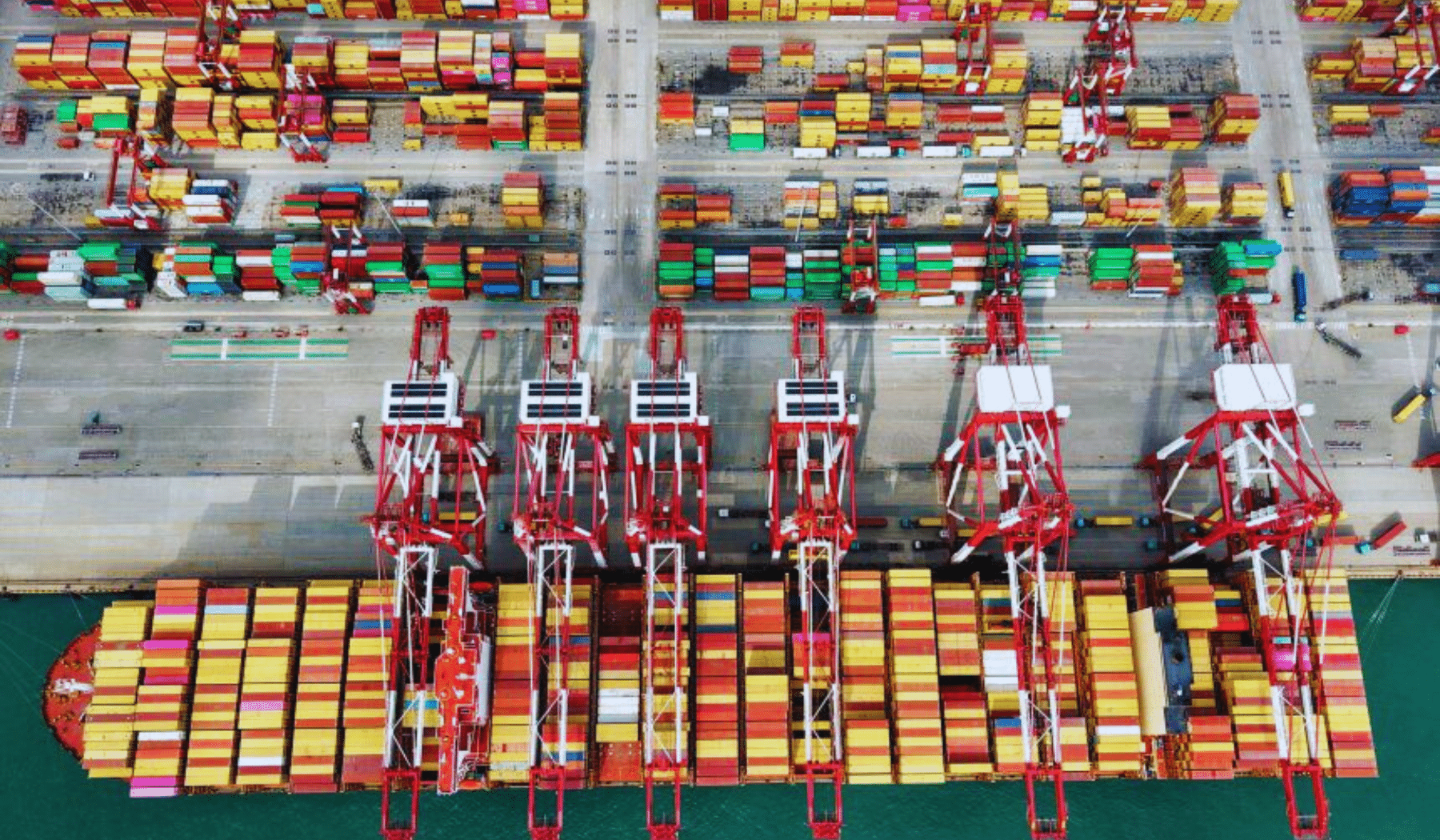
The U.S. Supreme Court is diving into a major case this week that could reshape global trade and test the limits of presidential power. At the center is President Donald Trump’s use of emergency laws to slap tariffs on imports from countries like China, Mexico, and Canada. These duties, aimed at protecting American jobs and fixing trade imbalances, have already brought in billions of dollars. But now, small businesses and several states are fighting back, saying the president went too far.
Oral arguments kicked off on November 4, 2025, in Washington, D.C. The challengers include everyday companies like V.O.S. Selections, a New York firm that sells wine and spirits, and Learning Resources, a maker of educational toys. Joined by 12 states, they argue that the International Emergency Economic Powers Act (IEEPA) does not give the president clear permission to impose such broad tariffs. They call the duties a hidden tax, which only Congress can approve under the Constitution. The group also points to the “major questions doctrine,” a legal idea that says big economic moves need specific laws from lawmakers, not just vague emergency powers.
On the other side, the Trump administration defends the tariffs as a smart way to regulate imports during national emergencies. They compare it to a 1971 tariff set by President Richard Nixon, which courts upheld. Officials say striking down these tariffs would hurt U.S. leverage in trade talks and could lead to economic chaos. They stress that the duties target foreign goods to counter threats, not to tax Americans directly.
What’s surprising is the silence from big corporations. Giants in retail, manufacturing, and tech—groups that often jump into court fights over trade—are staying out this time. Experts say larger firms may fear backlash from the White House or see the tariffs as a mixed bag: they raise costs for imports but boost some U.S. sales. Instead, it’s smaller players bearing the brunt, with higher prices squeezing their profits and passing costs to customers.
The stakes are high. A win for Trump could lock in wide presidential control over tariffs, paving the way for even tougher trade policies. If the court sides with the challengers, it might halt billions in tariff money and force Congress to step up on trade rules. Lower courts have already split on the issue, with some blocking parts of the tariffs. The Supreme Court’s nine justices, leaning conservative, have backed Trump before but also used the major questions rule against big Biden plans.
Trump himself skipped the hearing, calling it a distraction from his agenda. As the world watches, this case highlights the tension between quick executive action and checks from the courts and Congress. It could redefine how America handles trade wars for years to come.
Read More New: Putin-Trump Summit on Hold After Russia Rejects Ceasefire