
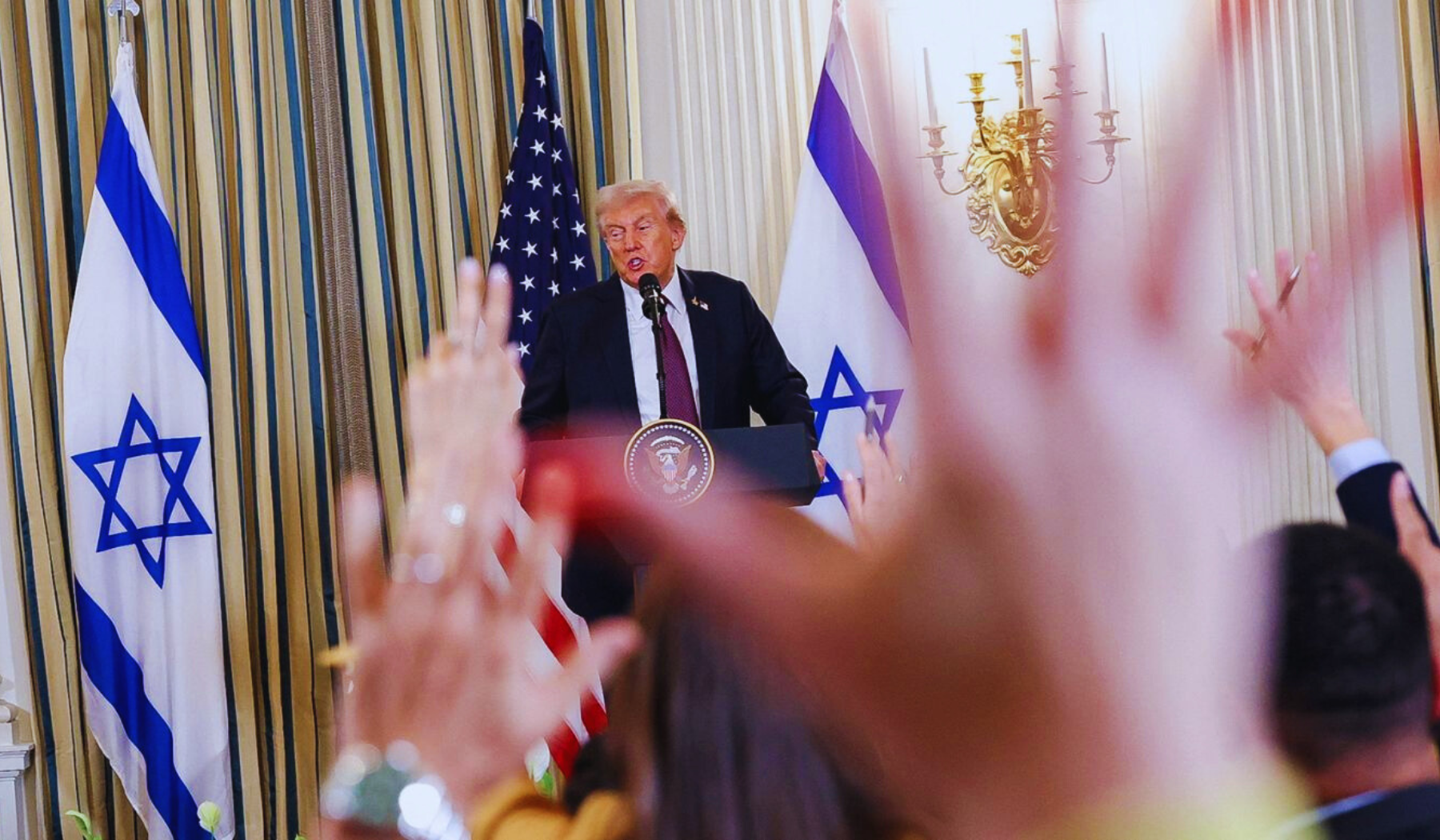
US Allies Hold Back on Trump’s Gaza Stabilization Plan Amid Unclear Details
More than a month after US President Donald Trump unveiled a detailed strategy to end the conflict in Gaza, key international partners are pausing before pledging support for a proposed multinational security team. The plan, rolled out on September 29, aims to bring lasting calm to the area through a ceasefire and a new force called the International Stabilization Force, or ISF. However, nations like Egypt, Qatar, and the United Arab Emirates are asking for more specifics on how the group would operate before sending troops.
Trump’s 20-point outline includes steps for releasing hostages and prisoners in the first stage of the ceasefire. The second stage calls for the ISF to step in right away. This team would train local police, guard borders with Israel and Egypt, stop weapons from entering, and help Israeli forces pull back. Yet, Gaza remains unstable, with armed groups, street crime, and the risk of renewed fighting from Israel. Hamas, which has run the area since 2007, shows no signs of giving up arms, making quick action urgent.
Countries considering involvement, such as Indonesia, Azerbaijan, Turkey, and Pakistan, worry about practical matters. They want to know the force’s total size, who would lead it, how long it would stay, and what rules it would follow. A big question is whether the ISF would just keep peace or actively fight threats—a difference that could scare off helpers. Jordan’s King Abdullah II pointed out this issue, saying a “peace-enforcing” role might make no one willing to join. Some nations also need official backing, like a United Nations resolution, to join legally.
US Secretary of State Marco Rubio is leading talks to sort these out. He explained that certain countries’ laws require an international go-ahead before they can send people. Israeli Prime Minister Benjamin Netanyahu added that his country would decide which troops enter Gaza and favors a strong, reliable force. Still, Israel objects to nations like Turkey taking part, seeing them as unfriendly.
Experts note that settling on the team’s makeup, weapons rules, and teamwork with Israeli troops is key to moving forward. Vice President JD Vance stressed that Israel must sign off on any ground forces. As discussions drag on, the lack of firm commitments raises doubts about hitting the plan’s tight deadlines. A regional source close to the matter said talks with the US are active, but big gaps remain on leadership and time limits.
For now, the ISF idea hangs in balance. If allies get the answers they need, it could mark a turning point for Gaza’s future. Without them, the path to stability might grow longer and rockier.